






2026 Chevy Tahoe vs. Suburban: Which One Is Right for Your Family?
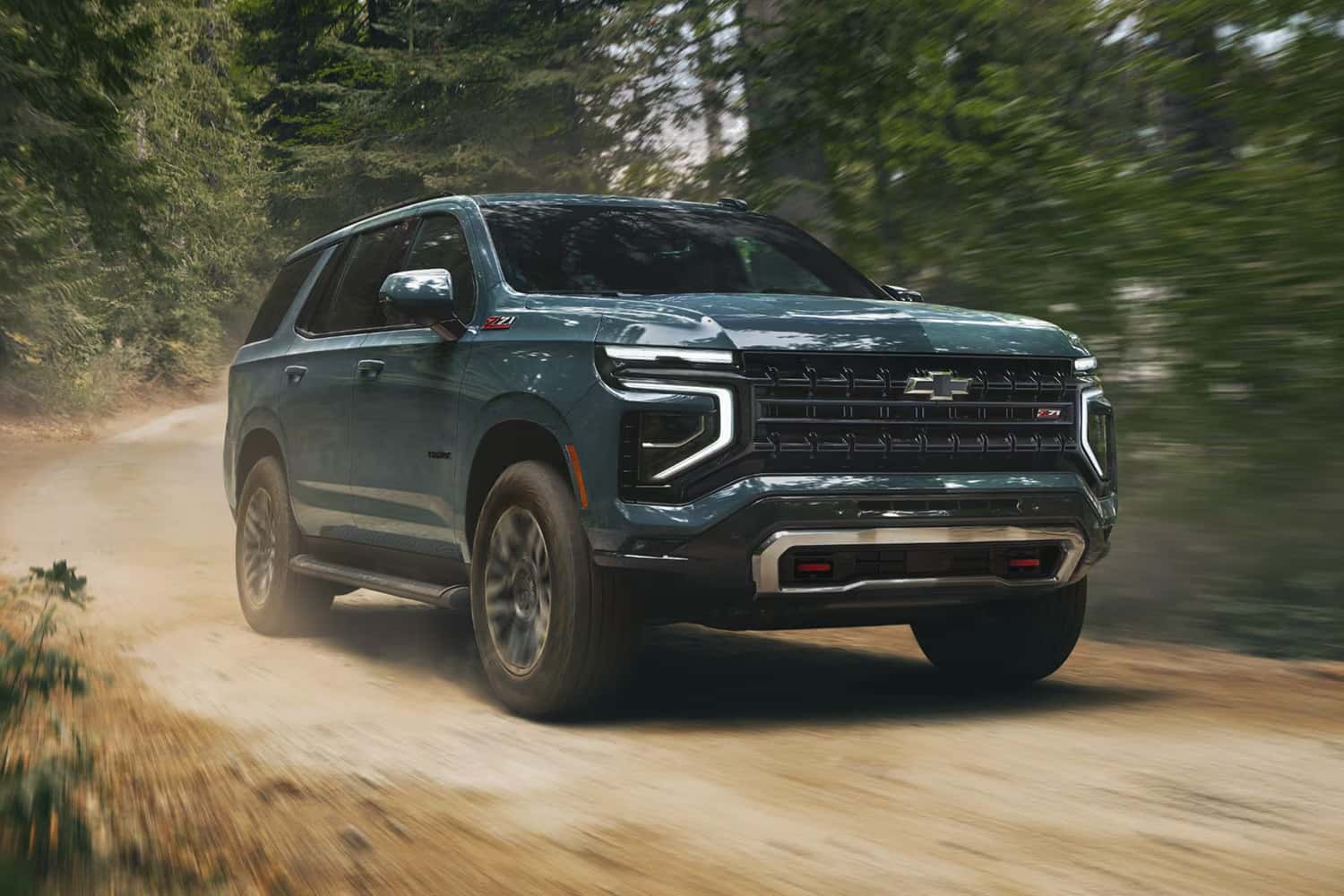
Picking between two iconic full-size SUVs is never easy, especially when they come from the same family. The 2026 Chevy Tahoe and the 2026 Chevrolet Suburban are both outstanding vehicles, but they suit different buyers. If you’re weighing the Tahoe vs. Suburban for your family, the right fit comes down to your daily routine, how many people you regularly carry, and where most of your driving happens. We invite you to browse our full new vehicle inventory to see what’s available right now.
The Core Difference Between the 2026 Tahoe and Suburban
When people ask about the difference between the Tahoe and Suburban, the answer almost always starts with size. The Tahoe is shorter and more maneuverable, designed for drivers who want full-size capability without committing to a longer wheelbase. The Suburban stretches further, giving families significantly more interior room and cargo capacity, with noticeably more breathing room for rear passengers on long trips.
Both SUVs share the same platform, powertrain options, and available technology. They look similar from the front and carry the same Chevy DNA. But the roughly 15 extra inches the Suburban carries change the entire ownership experience for the right buyer. Understanding what each brings to the table helps you decide which one belongs in your driveway.
A Closer Look at the 2026 Chevrolet Tahoe
The Tahoe has been a family staple for decades, and the 2026 model continues to refine the formula that made it popular. It offers genuine full-size SUV capability while staying manageable enough for everyday driving. For families who need a capable daily driver that doesn’t feel oversized, the Tahoe lands in a comfortable middle ground.
Size, Maneuverability, and the Case for a Shorter Wheelbase
At 211.3 inches long, the Tahoe is about 15 inches shorter overall than the Suburban, and that makes it noticeably easier to handle in tight spaces, whether that’s a crowded parking garage, a school pickup lane, or a drive-through in Florence, KY. The shorter footprint means a tighter turning radius and a more responsive feel from behind the wheel. For drivers who split their time between suburban neighborhoods and busier corridors, that maneuverability matters every single day.
Where the Tahoe Shines for Everyday Drivers
Day-to-day practicality is where the Tahoe proves its worth. It seats up to nine passengers when equipped with the front bench seat on the LS trim, or seven to eight in most other configurations, and it offers a well-designed three-row interior. Behind the third row you get 25.5 cubic feet of cargo space for grocery runs and sports gear, expanding to 122.7 cubic feet with the second and third rows folded flat for weekend trips and bigger hauls. The interior is intuitive, anchored by a 17.7-inch infotainment touchscreen and an 11-inch driver display, with comfort features that make commuting and carpooling genuinely enjoyable.
On fuel economy, the Tahoe and Suburban land in nearly identical territory across comparable gas powertrains, both rated around 16 to 17 mpg combined. Buyers focused on efficiency in either SUV will want to look at the available 3.0L Duramax turbo-diesel, which delivers the best fuel numbers in the lineup.
When you’re ready to see what’s in stock, explore our 2026 Tahoe inventory and find the trim that fits your needs.
A Closer Look at the 2026 Chevrolet Suburban
The Suburban is the original American family hauler, and its reputation comes down to one thing: space. The 2026 Suburban takes everything the Tahoe offers and extends it, giving buyers more of what matters most when you’re moving a large family or packing for an extended trip.
Longer Wheelbase, More Space, and the Cargo Advantage
The Suburban measures 226.3 inches long, roughly 15 inches more than the Tahoe, and that added length translates directly into more usable interior space. Cargo capacity behind the third row jumps to 41.5 cubic feet, compared to 25.5 in the Tahoe, and maximum cargo volume reaches a class-leading 144.5 cubic feet with both rows folded.
That difference becomes obvious the first time you pack for a family road trip. Strollers, luggage, camping gear, sports bags, all of it loads in without the Tetris-style packing that owners of smaller SUVs know too well. The added length primarily benefits rear passengers and cargo rather than the front rows, so the driver’s experience stays fairly similar between the two vehicles.
Where the Suburban Pulls Ahead for Larger Families
For families with three or more kids, the Suburban’s third row is a real asset, not an afterthought. The extra length adds legroom and makes access to that third row easier, so adult passengers can sit comfortably in the rear without feeling like they drew the short straw. Like the Tahoe, the Suburban seats up to nine with the available front bench.
Families who regularly haul teammates, carpool across town, or take extended road trips will find the Suburban’s interior proportions to be the deciding factor. When you’re consistently filling every seat, the choice between the two tends to resolve itself quickly.
View our 2026 Suburban inventory to see available trims and configurations we currently have on the lot.
Engine Options, Towing Capability, and Fuel Efficiency
Both the 2026 Tahoe and Suburban share the same core powertrain lineup:
- 5.3L V8 producing approximately 355 horsepower
- 6.2L V8 producing approximately 420 horsepower
- 3.0L Duramax Turbo-Diesel producing 305 horsepower and 495 lb-ft of torque
This shared engineering means you don’t sacrifice capability just because you choose one model over the other. On the fuel economy front, the 5.3L V8 in rear-wheel drive returns approximately 15 mpg city, 20 mpg highway, and 17 mpg combined on both models. The 3.0L Duramax Turbo-Diesel improves that significantly, reaching approximately 21 mpg city, 28 mpg highway, and 24 mpg combined, making it the smart choice for families logging heavy highway miles.
Towing capacity is where the two models diverge slightly. The Tahoe is rated up to 8,400 pounds when properly equipped with the Max Trailering Package, the 5.3L V8, and 2WD. The Suburban tops out at 8,200 pounds maximum. Both are more than capable of hauling a boat, a camper, or a loaded trailer without breaking a sweat.
Trim Levels, Interior Comfort, and Technology Features
Both models share an identical six-trim lineup: LS, LT, RST, Z71, Premier, and High Country. That structure means buyers get the same range of choices regardless of which SUV they select.
What Each Trim Grade Delivers
The entry-level LS is a capable, straightforward starting point with solid infotainment and essential driver-assistance features. The LT adds convenience upgrades, improved connectivity, and comfort features most families will appreciate in daily use. The RST brings a sportier aesthetic with blacked-out exterior accents and additional tech. The Z71 is built for buyers who want off-road confidence without sacrificing everyday comfort. The Premier grade offers a meaningful interior upgrade with leather seating and a more refined cabin feel. At the top, the High Country delivers genuine luxury appointments and upscale materials.
Across every trim, Chevrolet equips both the Tahoe and Suburban with modern infotainment and a broad suite of driver-assistance technologies. That includes forward collision warning, rear cross-traffic braking, and HD Surround Vision, along with available Super Cruise hands-free driver assistance on higher equipment levels. Forward collision warning and HD Surround Vision are particularly useful; pick the two that matter most to your family’s daily routine rather than treating them as a checklist.
If you’d like to explore financing options before visiting us, you can apply for financing online and get a head start before you arrive.
2026 Tahoe vs. Suburban Pricing: Understanding the Cost Difference
The price gap between the Tahoe and Suburban is smaller than most people expect at the entry level. The 2026 Tahoe LS 2WD starts at $60,700, while the Suburban LS 2WD starts at $63,700, a difference of approximately $3,000 at the base. That gap remains consistent as you move up the lineup, with the Suburban running approximately $3,000 more at comparable trims due to its extended wheelbase and added cargo capacity.
For budget-conscious families, the Tahoe delivers strong value by offering most of the same features at a lower cost through the mid-grade trims. For families who need the Suburban’s added space, the premium over the Tahoe is modest considering what it delivers in real-world usability.
Which Chevy SUV Is the Right Fit for Your Family?
There’s no single right answer when comparing the Tahoe and Suburban. It really comes down to which one fits your life.
Choose the Tahoe if:
- Your family is smaller and three rows aren’t always in use.
- You regularly deal with tight parking lots, narrow garages, or Florence, KY neighborhoods where a longer vehicle becomes a daily inconvenience.
- Fuel economy and a lower starting price are meaningful factors in your decision.
- A daily commute or school carpool is your primary use case.
Choose the Suburban if:
- You regularly fill all three rows with passengers.
- Road trips, camping runs, or hauling sports gear demand maximum cargo room.
- You need a third row where adults can actually sit comfortably for hours at a time.
- The additional cost is worth the added flexibility for your family’s lifestyle.
Experience Both Models at Tom Gill Chevrolet
We work with families across the Cincinnati and Northern Kentucky region every day, and we’re happy to walk you through both models in person or answer any questions before you visit. Reach out to our team and we’ll help you find the right fit. As the number one Chevy dealer in Kentucky, Tom Gill Chevrolet backs every purchase with the Tom Gill Advantage: free lifetime oil changes and tire rotations, factory-trained technicians, and genuine OEM parts that protect your investment long after you drive off the lot.
0 comment(s) so far on 2026 Chevy Tahoe vs. Suburban: Which One Is Right for Your Family?