






2026 Chevy Trax vs. Honda HR-V: Best Small SUV for Florence?
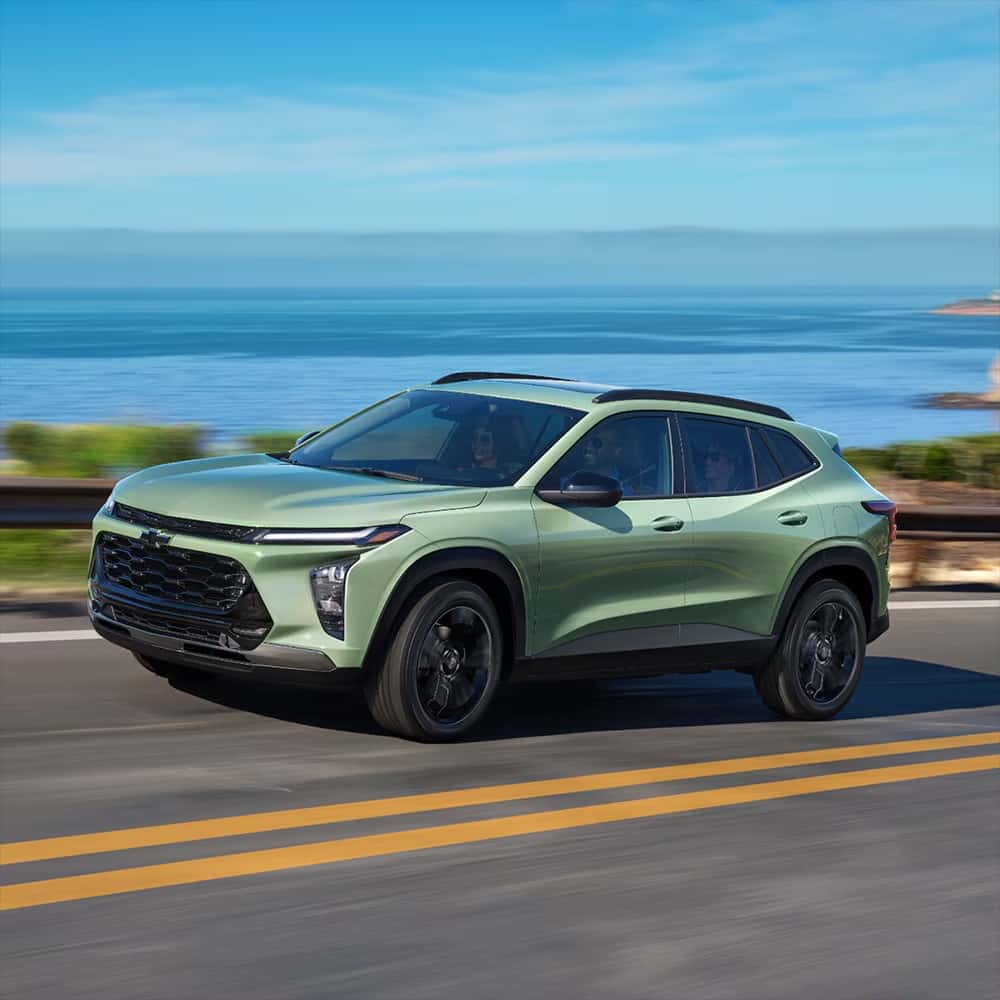
Cross-shopping small SUVs in Northern Kentucky usually comes down to a short list, and the 2026 Chevy Trax vs Honda HR-V comparison sits right at the top of it. Both models pack real value into a compact footprint, but they take noticeably different approaches to power, space, and pricing. If you’re weighing the Trax against the HR-V for your daily drive around Florence, KY, this breakdown covers what actually separates them for local driving conditions.
2026 Chevy Trax vs. Honda HR-V: Which Small SUV Fits Florence Drivers Best?
Chevrolet built the Trax as a value-focused option, giving budget-conscious buyers a lower starting price without skimping on cargo room or modern tech. Honda’s HR-V counters with a stronger naturally aspirated engine and the option for AWD, which appeals to drivers who want extra confidence in changing weather. Both SUVs handle Cincinnati-area errands and I-75 commuting without issue, but the comparison gets more interesting once you look at the actual specs side by side.
For Florence drivers deciding between the two, the right answer usually depends on whether you’re chasing efficiency and space or a bit more horsepower and traction versatility. We’ll walk through both vehicles in detail, and if you want to see the Trax up close before you decide, contact our team at Tom Gill Chevrolet to set up a visit.
2026 Chevy Trax: Standout Features and Strengths
Chevrolet designed the Trax to compete with small SUVs that cost more but deliver less usable space.
Performance, Efficiency, and Driving Feel
The Trax runs a 1.2L turbocharged 3-cylinder engine producing 137 horsepower and 162 lb-ft of torque, paired with a 6-speed automatic transmission and FWD. That torque comes on early, which makes the Trax feel responsive around town and merging onto I-75 during rush hour. EPA estimates put it at 28 city, 32 highway, and 30 combined MPG, meaning fewer fill-ups for drivers logging typical commuter mileage between Florence and Cincinnati. The ride stays smooth and predictable, which matters on the patchier stretches of local roads through winter.
Interior Comfort, Cargo Space, and Technology
Inside, the Trax seats five comfortably and offers a cabin that feels more open than its exterior dimensions suggest. Cargo space measures 25.6 cubic feet behind the rear seat and 54.1 cubic feet with the 60/40 split-folding rear seats down, giving families and weekend haulers real flexibility.
Chevrolet equips the Trax with an 8-inch touchscreen standard on the LS and 1RS trims, stepping up to an 11-inch touchscreen on the LT, 2RS, and ACTIV trims, while wireless Apple CarPlay and Android Auto come standard across the entire lineup, so smartphone connectivity doesn’t require an upgrade to a pricier trim. Higher trims add EvoTex seating, a durable, easy-to-clean material that holds up well against Florence’s muddy winters and sandy summer trips to the lake.
2026 Honda HR-V: Standout Features and Strengths
The HR-V leans into a smoother driving character and a reputation for reliability that Honda has built over years in this segment. It’s a legitimate alternative for shoppers who want a bit more power and don’t mind paying for it.
Performance, Efficiency, and Driving Feel
Under the hood, the HR-V uses a 2.0L 4-cylinder engine rated at 158 horsepower and 138 lb-ft of torque, mated to a CVT. The extra horsepower shows up at highway speeds, where the HR-V feels a touch stronger during passing maneuvers.
FWD models are EPA-rated at 26 city, 32 highway, and 28 combined MPG, and Honda also offers AWD, which dips slightly to 25 city, 30 highway, and 27 combined, for drivers who want extra traction on snowy or wet roads, which helps anyone dealing with winter driving around Boone County.
Interior Comfort, Cargo Space, and Technology
The HR-V’s cabin uses nicer materials, particularly in higher trims, and Honda’s Magic Seat system allows for creative cargo configurations that accommodate taller items like bikes or houseplants. Cargo capacity comes in at 24.4 cubic feet behind the rear seat and 55.1 cubic feet with the seats folded, edging out the Trax slightly at max capacity but trailing it behind the rear seat, which is the space most drivers actually use day to day.
A 9-inch touchscreen comes standard across the HR-V lineup, larger than the 8-inch screen on the Trax’s base LS and 1RS trims but smaller than the 11-inch touchscreen offered on Trax LT and higher trims, and Honda backs it up with its own suite of driver-assistance tech.
Safety Features and Driver-Assistance Technology Compared
Both SUVs come standard with meaningful driver-assistance suites, which matters for families handling school pickup lines and highway merges alike. The Trax includes Chevy Safety Assist, covering core functions like automatic emergency braking, forward collision alert, and lane keep assist as standard equipment.
The HR-V pairs with Honda Sensing, a suite that’s standard across HR-V trims and has earned a strong reputation for consistency. Both vehicles have earned favorable safety ratings, and either one gives Florence families a dependable base level of protection without requiring an upgrade to a pricier trim just to get essential safety features.
Pricing and Overall Value for Florence Drivers
The 2026 Trax starts at approximately $21,700, while the 2026 HR-V opens around $26,500, a difference of roughly $4,800 at the entry point. That gap puts real money back in your pocket, whether you steer it toward a down payment, lower monthly payments, or stepping up to a higher Trax trim with the 11-inch touchscreen and digital instrument cluster while still spending less than a base HR-V.
The value story goes beyond the sticker. Wireless Apple CarPlay and Android Auto come standard on every Trax trim, so you get the connectivity that matters most without paying to unlock it, and Chevy Safety Assist is standard across the lineup too. The HR-V costs more, and that premium buys you extra horsepower, the option of AWD, and Honda’s reliability track record, all legitimate reasons some Florence drivers will choose it. But for buyers who want modern tech, generous cargo room behind the rear seat, and strong fuel economy at a lower cost of entry, the Trax makes a compelling case.
For Florence drivers, the decision often comes down to whether upfront savings and standard tech matter more than extra horsepower and available AWD. If you’re still weighing specs against your budget, our sales team can walk through current Trax inventory and trim options in person.
Which SUV Fits Your Florence Lifestyle?
I-75 commuting and weekend runs out to the lakes tend to point buyers toward one SUV or the other pretty clearly once they think through their actual routine, and for a lot of Florence drivers, the Trax checks the most boxes.
Best for Daily Commuting
This is where the Trax shines. Its lower starting price, class-competitive 30 MPG combined fuel economy, and standard tech that doesn’t require a trim upgrade make it a smart daily driver. The turbocharged engine’s 162 lb-ft of torque comes on early, so it feels responsive pulling away from lights and merging onto I-75, and the ride stays comfortable and quiet thanks to standard active noise cancellation. There’s ample cargo room for groceries, gym bags, and whatever else piles up during a work week, with 25.6 cubic feet behind the rear seat, more than the HR-V offers in the space commuters actually use most. For drivers logging consistent Cincinnati-area miles, those fuel savings and that lower cost of entry add up month after month.
Best for Family Trips and Weekend Adventures
The HR-V holds a legitimate edge for certain weekend outings, particularly for households that value the Magic Seat’s cargo versatility and the added traction that available AWD provides on rougher terrain. Its 158 horsepower helps when the vehicle is loaded down with passengers and gear.
That said, the Trax stays very much in the conversation here too. It carries more cargo behind the rear seat, delivers better combined fuel economy for the drive out and back, and, for the many Florence families who handle winter with a good set of tires on a front-wheel-drive vehicle, covers weekend duty without the added cost that AWD brings. If flexible cargo configurations and available AWD top your list, the HR-V earns a look, but drivers who want capable weekend utility at a lower price will find the Trax hard to beat.
Final Verdict: Choosing the Right Small SUV
There’s no universal winner in the Trax vs HR-V debate, and the honest answer depends on what you value most. The 2026 Chevy Trax is the stronger fit for budget-conscious first-time buyers, daily commuters, and families who need more cargo room behind the rear seat without paying extra for it. The Honda HR-V makes more sense for comfort- and reliability-focused daily drivers who want a bit more horsepower and don’t mind spending more to get AWD as an option. Both are capable small SUVs, but the Trax delivers more value, space, and efficiency for the money, which is why it’s worth a serious look before you sign anywhere else.
If you’re still asking what the Trax is comparable to, think of it as sitting alongside other value-driven small SUVs that prioritize efficiency and affordability while delivering modern tech and cargo room.
Visit Tom Gill Chevrolet to Test Drive the 2026 Trax Today
Specs and comparisons only tell part of the story. The best way to know if the 2026 Chevy Trax fits your life on I-75 and around Florence, KY is to get behind the wheel yourself. As the #1 Chevy dealer in Kentucky, Tom Gill Chevrolet has been family-owned since 1996 and backs every purchase with the Tom Gill Advantage, including free lifetime oil changes and tire rotations from our factory-trained technicians.
Stop by our Commerce Drive location, call our sales team at (859) 568-3214, or reach out to Tom Gill Chevrolet to schedule your test drive today.
0 comment(s) so far on 2026 Chevy Trax vs. Honda HR-V: Best Small SUV for Florence?