






Used Truck Buying Guide for Florence, KY: Towing, 4WD, Bed Size and Mileage
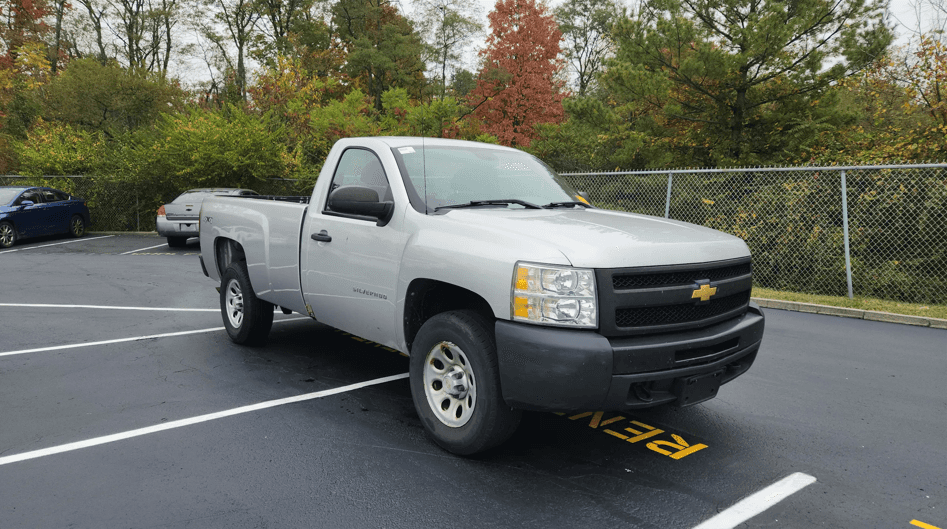
Maybe you haul mulch every spring or tow a camper to the lake. Maybe you need a truck that earns its keep Monday through Friday. Whatever the job, research matters far more than the badge on the tailgate. This used truck buying guide Florence KY shoppers can follow covers everything from the first question to the final inspection. When you’re ready to compare, you can look through our used vehicles with a clear list of requirements in hand.
Start Your Used Truck Buying Guide for Florence, KY With How You’ll Use It
Define the main task first. Will the truck carry passengers, haul cargo, tow, or run on unpaved surfaces? Cab, bed, drivetrain, and towing needs all differ by configuration, so the job should pick the truck. Buying used can lower the upfront cost, but compare actual condition and total ownership costs, including fuel, insurance, and maintenance. Not every used truck is a better value.
A quick way to match your use:
- A commuter who occasionally hauls usually needs comfortable seating and a bed sized for the odd load. Maximum capacity can take a back seat.
- A family with a camper or boat should put towing and payload ratings at the top of the list.
- A small business owner who needs a work truck should focus on payload, bed access, and durability of the configuration.
Match Cab, Bed Size and Drivetrain to Your Daily Needs
A Regular Cab has one row of seats, and an extended cab adds a small rear seat or storage space. A Double Cab has four doors but less rear legroom than a Crew Cab, which offers the most. Names vary by manufacturer, so check the actual truck’s seating.
Bed lengths aren’t standardized. Midsize beds run roughly 5 to 6 ft, while full-size options are about 5.5, 6.5, and 8 ft and vary by manufacturer. Ask what must fit, whether that’s lumber, motorcycles, or ATVs. Also weigh tailgate position and wheel-well clearance. A larger cab paired with a long bed stretches the wheelbase, which makes parking and driveways harder.
Drivetrain is the third choice. 2WD trucks generally offer more towing and hauling capacity and better fuel economy, while 4WD adds traction on slippery surfaces.
How to Check Used Truck Towing and Payload Ratings
Judge towing and payload together. A truck can have plenty of trailer capacity and still run out of payload once passengers, cargo, accessories, and trailer tongue weight are counted. Ratings belong to a specific configuration, so identify the year, engine, drivetrain, cab and bed, axle ratio, and installed towing equipment. Then check the manufacturer’s specs, towing guide, and owner’s manual.
The ratings to find are maximum trailer weight, maximum tongue weight, GVWR, and GCWR. Base your math on the trailer’s loaded weight, since the empty weight will mislead you. A good rule of thumb is to choose about 10% more capacity than you need. Maximum tow ratings also assume proper equipment and hitch setup, so check the hitch, receiver, and ball mount too.
Find the Real Numbers: Door Jamb Label, Axle Ratio and Tow Package
Open the driver’s door and look for the Tire and Loading Information label on the door edge or B-pillar. This door jamb label states payload as the combined weight of occupants and cargo. GVWR is a different figure, found on the Safety Compliance Certification Label near the driver’s seating position.
To work out remaining payload, start with the label’s payload figure. Subtract the weight of everyone riding in the truck and your gear, plus accessories like a bed cover. If you tow, subtract the trailer’s tongue weight too, since it counts against payload. What’s left is your real margin.
Next, confirm the axle ratio. A numerically higher ratio generally increases towing capability and lowers fuel economy, but compare ratios only within the same manufacturer’s towing tables. A receiver hitch alone doesn’t make a tow package, which may also include an integrated trailer-brake controller, upgraded suspension or tow drive modes, so check for that equipment on the actual truck.
Spot Signs of Heavy Towing or Hard Work Use
Some wear patterns deserve a closer look. Treat each one as a prompt for questions, since no single finding proves heavy towing.
- Sagging rear suspension
- Worn hitch receiver
- Bed liner damage
- A burnt transmission fluid smell
- Uneven tire wear
Regular work use can coexist with good condition when maintenance has been appropriate. Review service records for drivetrain and cooling work, plus brake and suspension repairs. If something looks suspicious, ask an independent mechanic to assess it before you rely on the truck for similar duties.
Choosing a Used 4WD Truck for Northern Kentucky Roads
A used 4WD truck is a judgment call. Northern Kentucky roads and weather don’t automatically demand it. Weigh snow and ice, hills, gravel and job sites, and Ohio River boat ramps against 2WD’s towing and fuel advantages. A well-maintained 2WD truck can suit mostly paved driving, while 4WD may pay off if you face recurring traction demands.
Systems vary. Some have manual two-speed transfer cases, others use shift-on-the-fly electronic systems, and some are automatic 4WD that engages when traction drops. Follow the manufacturer’s operating instructions for whichever system the truck has. 4WD improves traction when accelerating, but braking grip stays the same without good tires, so they matter as much as the drivetrain.
On a test drive, confirm that an equipped 4WD mode engages without difficulty. Warning lights, odd noises, or engagement trouble call for further inspection. Ask for transfer case and differential maintenance records, and check that tire sizes and wear are compatible across all four corners.
What Mileage Is Reasonable on a Used Pickup Truck
Mileage starts the conversation rather than settling it. If a truck averages more than 20,000 miles a year or fewer than 5,000, ask why. Higher mileage can mean bigger maintenance items are coming due, but a well-kept higher-mileage truck can be in better shape than a neglected low-mileage one, so weigh the asking price against documented condition and likely near-term costs.
Weigh Mileage Against Service History and Prior Use
Ask about prior use and request service records. Then check the paperwork against what you see on the truck. Repair receipts often include odometer readings, which helps you spot inconsistencies. Check that maintenance lines up with the schedule for that make and model, including any severe-use requirements.
Ask how many owners the truck has had, since several in a short period deserve questions. Ask about towing, hauling, short trips, long idling and storage too, because each wears a truck differently from steady driving. Gaps in the records are a risk to factor into the price.
Used Pickup Truck Inspection Checklist: History, Frame, Tires and Brakes
Records, your own walkaround, and a professional assessment each show part of the picture, and no single one is enough. Put structure, safety components, and drivetrain ahead of cosmetics, then use your findings to estimate immediate repairs and near-term maintenance.
Review the Vehicle History Report, Recalls and Warranty Status
A CARFAX or AutoCheck report can show ownership, accidents, odometer readings and salvage titles. Compare its entries with the service records and the truck’s visible condition.
Check the VIN at NHTSA’s recall lookup for unrepaired recalls. Dealers must display an FTC Buyers Guide on used vehicles, including light-duty trucks, stating whether the truck is sold “as is” or with a warranty, so get any promises in writing. A service contract isn’t a warranty, and certified pre-owned status varies by vehicle, so see our certified pre-owned vehicles for details.
Inspect Frame, Body, Underbody, Tires and Brakes for Wear and Rust
Inspect in daylight on a dry day. Check body panels for dents, rust, blistered or uneven paint, and misaligned or unevenly gapped panels. Musty odors and wet carpet can signal water intrusion. Underneath, look for kinks, large dents, frame welding, and fresh undercoating, which can mean structural repair. Light surface rust differs from scaling or perforation, and significant corrosion needs a professional opinion.
Tire wear should be even across each tire and between tires on the same axle. Uneven or cupped wear can point to steering, suspension, or brake problems. Also look for sidewall cracks, bulges, wheel damage, and a usable spare. The legal minimum tread is 1/16 inch. Try the penny test: with Lincoln’s head down in the groove, replace the tire if the top of his head is visible. Set pressure by the Tire and Loading Information label or owner’s manual, not the sidewall maximum. The last four digits of the DOT number show production week and year, and some manufacturers recommend replacing tires 6 to 10 years old regardless of tread.
Brakes deserve more than a pedal check. Have pads, rotors, lines, and the parking brake evaluated. Our service center can help you plan next steps if you have questions about what a truck needs.
How to Test Drive a Used Truck and What to Notice
Before you drive, check fluid levels, hoses, belts, and tire pressure, and look under the truck for fresh leaks. Check again afterward. Start the truck cold if you can, and watch for warning lights, hard starting, or unusual smoke. Drive at least 30 minutes where possible with the radio off.
Report anything odd to your inspector, especially these:
- Steering pulls to one side or has dead spots or notchiness.
- Transmission shifts smoothly, with no delays.
- 4WD engages without difficulty, where conditions and the owner’s manual permit.
- Brakes respond progressively, with no pulsation in the pedal.
- Suspension stays quiet over bumps, with no clunks or excessive bouncing.
- Temperature gauge stays near mid-range and no warning lights appear.
Match the route to your use. Around Florence, mix highway runs with hills, city streets, speed bumps and a rough lot. If you can, drive loaded or with your trailer, since an empty truck won’t show how it handles full payload. Finally, check visibility, mirrors, blind spots, seating comfort and the controls you’ll use daily.
Next Steps: Get an Inspection, Then Browse Used Trucks at Tom Gill Chevrolet
Once you’ve narrowed your options, arrange an independent pre-purchase inspection before committing, even on a certified or warrantied truck. Ask for a written report that names the make, model and VIN, covers structure, drivetrain, safety components and towing concerns, and estimates repair costs.
With your homework done, browse our used trucks and our full used inventory. Depending on what’s on the lot, you may find Chevrolet Silverado and Colorado models alongside Ford, Ram, GMC and other makes, and we’re happy to talk through how any of them fits your list. Contact us or call sales at (859) 568-3214, and when you’re ready to plan a budget, explore our financing options.
0 comment(s) so far on Used Truck Buying Guide for Florence, KY: Towing, 4WD, Bed Size and Mileage